Print on demand (POD) is a business model where a product such as a t-shirt, mug or tote bag is printed only after a customer orders it, so you never hold inventory. You supply the design and run the listing or store, and a print partner produces and ships each item. This beginner’s guide explains how print on demand works, its pros and cons, where designs come from, and the first steps to start.
Key takeaways
- With POD, nothing is made until someone buys, so start-up costs and inventory risk are low.
- Profit margins are thinner than making products yourself, because the print partner’s base cost comes out of every sale.
- Marketplaces (such as Redbubble or Amazon Merch on Demand) handle traffic and production; fulfillment services (such as Printful or Printify) connect to your own shop.
- You need the right to use every design commercially: your own artwork or licensed files whose terms allow POD products.
- Never use trademarks, logos or characters you do not own the rights to.
How Print on Demand Works
- You create or license a design. Usually a high-resolution PNG with a transparent background.
- You upload it to a POD service and place it on products like shirts, hoodies, mugs, stickers or posters.
- You list the products on a marketplace or in your own store, such as an Etsy or Shopify shop.
- A customer orders. The order passes to the print partner automatically or through the marketplace.
- The partner prints and ships the item directly to the customer, usually without your involvement.
- You keep the difference between what the customer paid and the production cost and fees, or you receive a royalty set by the marketplace.
Two Kinds of Print on Demand Platforms
| Marketplace POD | Fulfillment service + your shop | |
|---|---|---|
| Examples | Redbubble, TeePublic, Amazon Merch on Demand, Spring | Printful or Printify connected to Etsy, Shopify or another store |
| Who brings customers | The marketplace’s own traffic | You (SEO, social media, ads) |
| Who sets the price | Mostly the platform; you earn a royalty or margin | You set the retail price |
| Customer service | Handled mostly by the platform | You handle it |
| Branding | Limited | Your own shop name, packaging options vary |
Fees, royalty rates and base costs differ by platform and change over time, so always check each platform’s current pricing page. For a deeper comparison, see the top 10 print on demand platforms and selling on Etsy vs Redbubble.
Pros and Cons of Print on Demand
Pros
- No inventory and low start-up cost.
- You can test many designs and products quickly.
- Printing, packing and shipping are handled for you.
- You can run it part-time from anywhere.
Cons
- Lower margin per item than making products yourself.
- Less control over print quality and shipping times.
- Busy niches are competitive, so good designs and keywords matter.
- Strict content rules on trademarks and copyrights, with account risk if you break them.
Where Print on Demand Designs Come From
Every design you upload must be one you have the right to sell on products. There are three common sources:
- Your own artwork, made in free tools like Inkscape or Canva’s free plan. See the best free tools for creating POD designs.
- A hired designer, with a written agreement that gives you commercial rights.
- Licensed design files whose terms allow commercial use on products you sell.
When you use licensed files, read the terms carefully. Wow SVG designs, for example, allow personal and commercial use for finished products, but you may not resell, share or redistribute the digital files. Designs whose title ends in “PNG” are 300 dpi with a transparent background and are made for POD, DTF and sublimation. The Trending SVG and Funny Quotes SVG collections are common starting points for shirt sellers.
Whatever the source, avoid sports team logos, brand names, movie characters and celebrity likenesses unless you hold a license. Platforms remove these listings and may close accounts.
First Steps to Start a POD Business
- Pick a niche. Choose a specific audience, such as nurses, teachers, dog owners or a holiday, rather than “funny shirts” in general.
- Prepare 10 to 20 designs. Use high-resolution PNG files and check that each is legal to sell.
- Choose one platform. A marketplace is simpler to start; your own shop with a fulfillment service gives more control.
- Order a sample. Check print quality, colors and sizing before you promote a product.
- Write clear listings. Use the words buyers search for in titles, tags and descriptions, and show good mockups.
- Review and improve. Keep designs that sell, drop ones that do not, and add seasonal designs ahead of each holiday.
Design ideas to start with
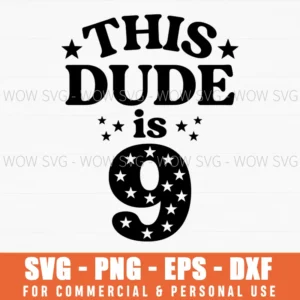
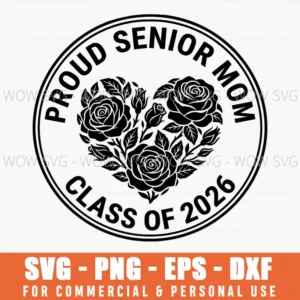
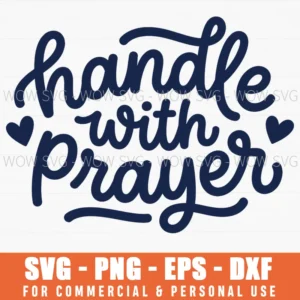
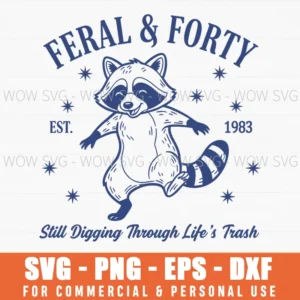
If you are building a print-on-demand or Etsy shop, these WOW SVG designs show the kind of simple, text-based artwork that works well on shirts, mugs and stickers. Each one costs $2.50, includes SVG, PNG, EPS and DXF files, and commercial use of finished products is included.
Frequently Asked Questions
Is print on demand good for beginners?
Yes. It needs little money up front and no inventory, so it is a low-risk way to learn selling online. Expect it to take time and many designs before sales are steady.
Do I need my own designs for POD?
You need designs you have the right to sell on products. That can be your own artwork, work from a hired designer, or licensed files whose terms allow commercial use on finished products.
What file format is best for POD?
Most POD platforms want a high-resolution PNG with a transparent background. Check each platform’s current file size and resolution requirements before uploading.
How much does print on demand cost to start?
Many marketplaces are free to join, while your own shop may have monthly or listing fees. Fees change, so check each platform’s current pricing page.