The main print-on-demand platforms fall into two groups: marketplaces such as Redbubble, TeePublic, Amazon Merch on Demand, Zazzle, Society6 and CafePress, where you upload art and they find buyers, and fulfillment services such as Printify, Printful and Gelato, which print and ship orders from your own Etsy or online store. Spring sits in between, giving creators their own storefront. Choosing the right print-on-demand platform depends on whether you want hands-off sales or control over your brand and prices.
Key takeaways
- Marketplaces bring their own shoppers but control most of the pricing and customer experience.
- Fulfillment services print and ship for you, but you need your own sales channel, such as Etsy or a website.
- Earnings on marketplaces come as royalties or markups; with fulfillment services you set retail prices and keep the difference after costs and fees.
- Every platform removes designs that infringe trademarks or copyrights.
- Many sellers use one marketplace for reach and one fulfillment service for a branded shop.
Marketplaces vs fulfillment services
A marketplace is a website with its own buyers. You upload artwork, and the platform lists it on products, prints, ships and handles service. You earn a royalty or a markup you choose within its system. Setup is fast, but competition is heavy and branding is limited.
A fulfillment service has no buyers of its own. It connects to Etsy, Shopify, WooCommerce and similar platforms, prints each order and ships it to your customer. You set prices and own the customer relationship, and you also handle marketing and customer service. New to the model? Start with our beginner’s guide to print on demand.
Comparison table of 10 print-on-demand platforms
| Platform | Type | Who brings buyers | Price control | Best for |
|---|---|---|---|---|
| Printify | Fulfillment network | You | Full | Etsy and Shopify sellers wanting many products and providers |
| Printful | Fulfillment with own facilities | You | Full | Branded shops that value consistent production |
| Gelato | Global fulfillment network | You | Full | Sellers with international customers |
| Redbubble | Marketplace | Redbubble | Markup over base price | Stickers, art and apparel with no fulfillment work |
| TeePublic | Marketplace | TeePublic | None, set artist earnings | Fast uploads to many apparel products |
| Amazon Merch on Demand | Marketplace (application required) | Amazon | List price within a range | Shirt designers who want Amazon’s audience |
| Spring | Creator storefront platform | Mostly you | Full | Creators with an audience on social media |
| Zazzle | Marketplace | Zazzle | Royalty you choose | Customizable gifts, invitations and stationery |
| Society6 | Marketplace | Society6 | Limited | Artists focused on home decor and wall art |
| CafePress | Marketplace | CafePress | Limited | Simple apparel and gift designs |
Fees, royalty rates and seller terms change often, so check each platform’s current pricing and artist terms before committing.
Fulfillment services
1. Printify
Printify connects your store to a network of independent print providers, so you can compare product costs, locations and quality for the same item. It integrates with Etsy, Shopify and other platforms, and offers a large product catalog.
2. Printful
Printful prints most items in its own facilities, which helps keep quality consistent. It offers branding extras such as custom packing slips and labels on some products, and integrates with Etsy, Shopify and others.
3. Gelato
Gelato routes orders to production partners in many countries, aiming to print close to the customer. It suits sellers with buyers in several regions and connects to popular store platforms.
Marketplaces
4. Redbubble
Redbubble lets artists upload designs to a wide range of products and set a markup. It handles all production and service. Read the current account terms, as Redbubble has introduced account levels and fees for some sellers. Thinking of combining it with Etsy? See Etsy vs Redbubble for POD.
5. TeePublic
TeePublic, part of the same group as Redbubble, focuses on apparel and gifts. It sets retail prices and pays artists a set amount per sale. Compare it in our Etsy vs TeePublic guide.
6. Amazon Merch on Demand
Amazon’s program puts your shirts and other products on Amazon with Prime shipping where available. You need to apply, and upload limits grow with sales through a tier system.
7. Spring
Spring, formerly Teespring, gives creators a storefront and integrates with platforms such as YouTube for selling merch to an existing audience. It works best if you can drive your own traffic.
8. Zazzle
Zazzle is strong for customizable products: buyers can edit text on invitations, cards and gifts. Designers set a royalty and can create templates that shoppers personalize.
9. Society6
Society6 focuses on art-driven products like prints, wall art and home decor. It suits illustrators and artists more than slogan shirt designers.
10. CafePress
CafePress is one of the oldest POD marketplaces, offering apparel, mugs and gifts. It is simple to use, though its reach is smaller than the largest marketplaces today.
How to choose the right platform
- Decide your role. Want to only design? Start with a marketplace. Want a brand? Pick a fulfillment service and a sales channel.
- Match products to your art. Slogans fit shirts and mugs; illustrations fit stickers, prints and decor.
- Order samples. Before selling through a fulfillment service, order your own products to check print quality.
- Use only artwork you have rights to. Marketplaces require you to hold the rights to what you upload. Wow SVG designs include commercial and print-on-demand use with no extra license, but the files may not be shared or redistributed, and fan-inspired designs that refer to brands, teams or characters should stay off marketplaces.
Whatever platform you choose, research what people buy. Browsing collections like trending SVG designs and funny quotes SVG designs shows the themes crafters and shirt buyers respond to.
Design ideas to start with
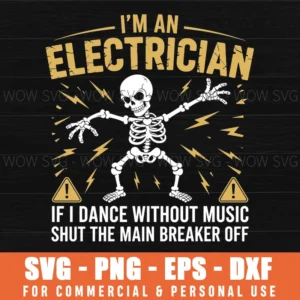
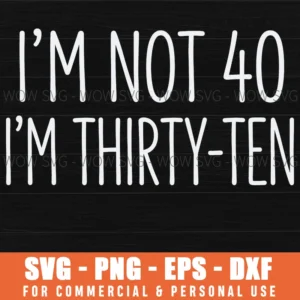
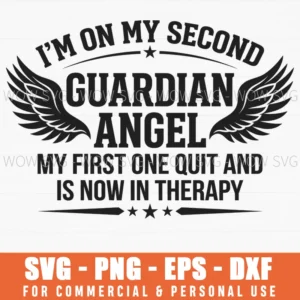
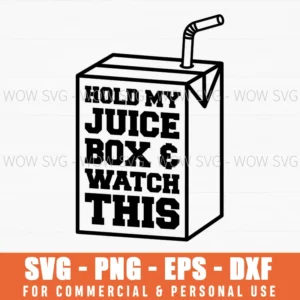
If you are building a print-on-demand or Etsy shop, these WOW SVG designs show the kind of simple, text-based artwork that works well on shirts, mugs and stickers. Each one costs $2.50, includes SVG, PNG, EPS and DXF files, and commercial use of finished products is included.
Frequently Asked Questions
What is the difference between Printify and Redbubble?
Printify is a fulfillment service that prints orders from your own store, while Redbubble is a marketplace with its own buyers that sells your designs on its site.
Which print-on-demand platform is best for beginners?
Marketplaces like Redbubble and TeePublic are the easiest start because they handle everything after upload. Etsy with Printify or Printful suits beginners who want more control.
Do print-on-demand platforms charge upfront fees?
Most let you start without paying for inventory. Some charge subscription, account or listing fees, so check each platform’s current terms.
Can I sell the same design on several POD platforms?
Yes, if you own the rights to the design. Many sellers list original artwork on several marketplaces and their own shop.