In the Etsy vs Merch by Amazon decision, Etsy is better if you want your own brand, full control over prices and the option to sell digital files as well as shirts, while Merch by Amazon is better if you want a hands-off way to put shirt designs in front of Amazon shoppers and only earn a royalty. Many shirt designers end up using both, because the two platforms reward different strengths. This guide explains how each one works so you can pick a starting point.
Key takeaways
- Merch by Amazon (now officially called Amazon Merch on Demand) prints, ships and handles customer service; you upload artwork and earn a royalty per sale.
- On Etsy you run your own shop, set your own prices and either fulfill orders yourself or connect a print-on-demand partner such as Printify or Printful.
- Merch on Demand requires an application and approval, and it limits how many designs you can upload until you build a sales history.
- Both platforms remove listings that use trademarks, brand names or copyrighted characters you do not own, and repeat violations can close your account.
- Fees change regularly on both platforms, so always check the current fee and royalty pages before you set prices.
How Merch by Amazon works
Amazon Merch on Demand is Amazon’s print-on-demand program. You upload a print-ready image, choose the products (t-shirts, hoodies, long sleeves, PopSockets and other items, depending on the marketplace), write a title and bullet points, and pick a list price within the range Amazon allows. When a customer buys, Amazon prints the item, ships it and handles returns. You receive a royalty, which is the list price minus Amazon’s production and fulfillment costs and its share.
Two things make Merch different from a normal shop:
- You must be accepted. You apply with business and tax details, and approval is not guaranteed. Waiting times vary.
- Upload limits grow with sales. New accounts start with a small number of designs they can have live, and the limit rises as you sell. This is often called the tier system. We cover it in more detail in our guide to selling t-shirts on Amazon Merch on Demand.
How selling on Etsy works
Etsy is a marketplace of independent shops. You open a shop, create listings with your own photos and descriptions, and set your own prices and shipping profiles. For shirts, most sellers either press shirts at home with heat transfer vinyl or sublimation, or connect a print-on-demand service that prints and ships each order automatically. Etsy asks sellers to disclose production partners, so if a POD company makes your shirts, say so in the listing settings.
Etsy also lets you sell digital downloads, such as your own SVG cut files or PNG print files. That is something Merch by Amazon does not offer at all, and it is a big reason crafters and designers choose Etsy. If that interests you, read what sells best as Etsy SVG files and how to price them.
Etsy vs Merch by Amazon side by side
| Factor | Etsy | Merch by Amazon |
|---|---|---|
| Who sets the price | You set the full retail price | You pick a list price within Amazon’s allowed range |
| How you get paid | Sale price minus Etsy fees and your production cost | A royalty per item sold |
| Fee model | Listing fee, transaction fee, payment processing fee, optional ads | No listing fee; Amazon’s costs and share are built into the royalty |
| Getting started | Open a shop right away | Application and approval required |
| Fulfillment | You or your POD partner | Amazon |
| Customer service | You handle messages, issues and reviews | Amazon handles it |
| Branding | Shop name, banner, About page, packaging | Brand name field only, no storefront design |
| Digital files | Allowed | Not available |
| Traffic | Etsy search, Etsy ads, your own marketing | Amazon search and Amazon’s ad tools |
Fees, royalties and pricing control
On Etsy, you pay a small fee to list each item, a percentage transaction fee on the sale price and shipping, and a payment processing fee that varies by country. Etsy can also charge an advertising fee when a sale comes from its offsite ads program. Because you set the price, you control your margin: if your POD cost rises, you can raise your price.
On Merch by Amazon, there are no listing fees. Amazon publishes how royalties are calculated for each product and marketplace, and your royalty changes with the list price you choose. You trade pricing freedom for zero fulfillment work. Since both companies update their numbers, check the Etsy fee page and the royalty information inside your Merch account before you plan your prices.
Traffic, competition and trademark rules
Both platforms bring their own shoppers, but they search differently. Amazon shoppers often look for a gift or a specific phrase and expect fast delivery, so short, clear shirt designs with strong keywords in the title and bullets do well. Etsy shoppers tend to browse for personalized, niche or handmade-feeling items, so photos, personalization options and shop reviews matter more.
Trademark rules are strict on both. Do not use brand names, sports team names, band names, movie characters or phrases that are registered trademarks for apparel. On Merch by Amazon, rejected or removed designs can count against your account, and repeated infringement can lead to termination. On Etsy, rights holders can file reports that remove listings. Search the USPTO trademark database before you publish any phrase-based design.
If you use designs you did not create yourself, read the license carefully. Wow SVG designs include personal and commercial use, including print-on-demand products, with no extra license to buy; reselling, sharing or uploading the files as standalone downloads is not allowed. Marketplace programs like Merch require that you hold the rights to everything you upload, and they reject brand, team and character themes, so skip fan-inspired designs there. If you are unsure, email support@wowsvg.com before you list.
Etsy vs Merch by Amazon: which platform fits you?
Choose Merch by Amazon if
- You want to focus only on design and keyword research.
- You have no interest in customer messages, returns or shipping.
- You are patient enough to go through approval and grow your upload limit slowly.
Choose Etsy if
- You want to build a recognizable brand and repeat customers.
- You want to sell digital SVG or PNG files, personalized items or handmade pieces.
- You want control over prices, photos and product mix.
Use both if
You have a library of original designs. In practice, Etsy vs Merch by Amazon is rarely an either-or choice. A common approach is to list shirts on Merch for passive reach and use Etsy for personalized and niche products. To compare more marketplaces, see our list of the top print-on-demand platforms.
If you are still finding your niche, browsing large design collections such as funny quotes SVG designs or trending SVG designs can show you which themes and lettering styles are popular with shirt buyers, which helps you plan your own original work.
Design ideas to start with
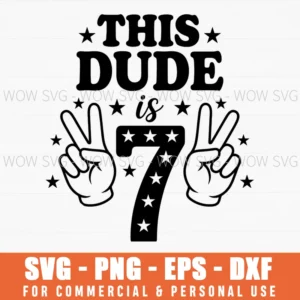
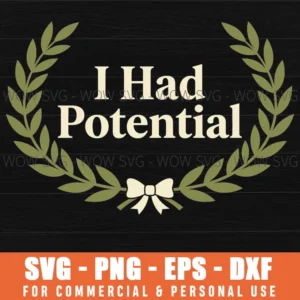
If you are building a print-on-demand or Etsy shop, these WOW SVG designs show the kind of simple, text-based artwork that works well on shirts, mugs and stickers. Each one costs $2.50, includes SVG, PNG, EPS and DXF files, and commercial use of finished products is included.

Frequently Asked Questions
Is Merch by Amazon the same as Amazon Merch on Demand?
Yes. Amazon renamed Merch by Amazon to Amazon Merch on Demand, and both names refer to the same print-on-demand program where you upload designs and earn royalties.
Can I sell SVG files on Merch by Amazon?
No. Merch by Amazon only sells printed products made from your artwork. If you want to sell digital SVG or PNG files, Etsy or your own website are the usual options.
Which platform makes more money per sale?
Etsy usually lets you keep a larger share per sale because you set the price, but you also pay Etsy fees and production costs and do more work. Merch royalties are smaller but require no fulfillment or customer service.
Do I need a business to sell on Etsy or Merch by Amazon?
You can start as an individual on both, but you must provide tax and payment information, and you are responsible for reporting income where you live.
Can I upload the same design to both platforms?
Yes, if you own the rights to the design. Many sellers list the same original artwork on several marketplaces to reach more buyers.